Sustainable Interior Design: A Practical Guide for Canadian Homeowners
Eco-friendly design choices that reduce waste, lower energy costs, and actually look beautiful.
Georgia Home Design
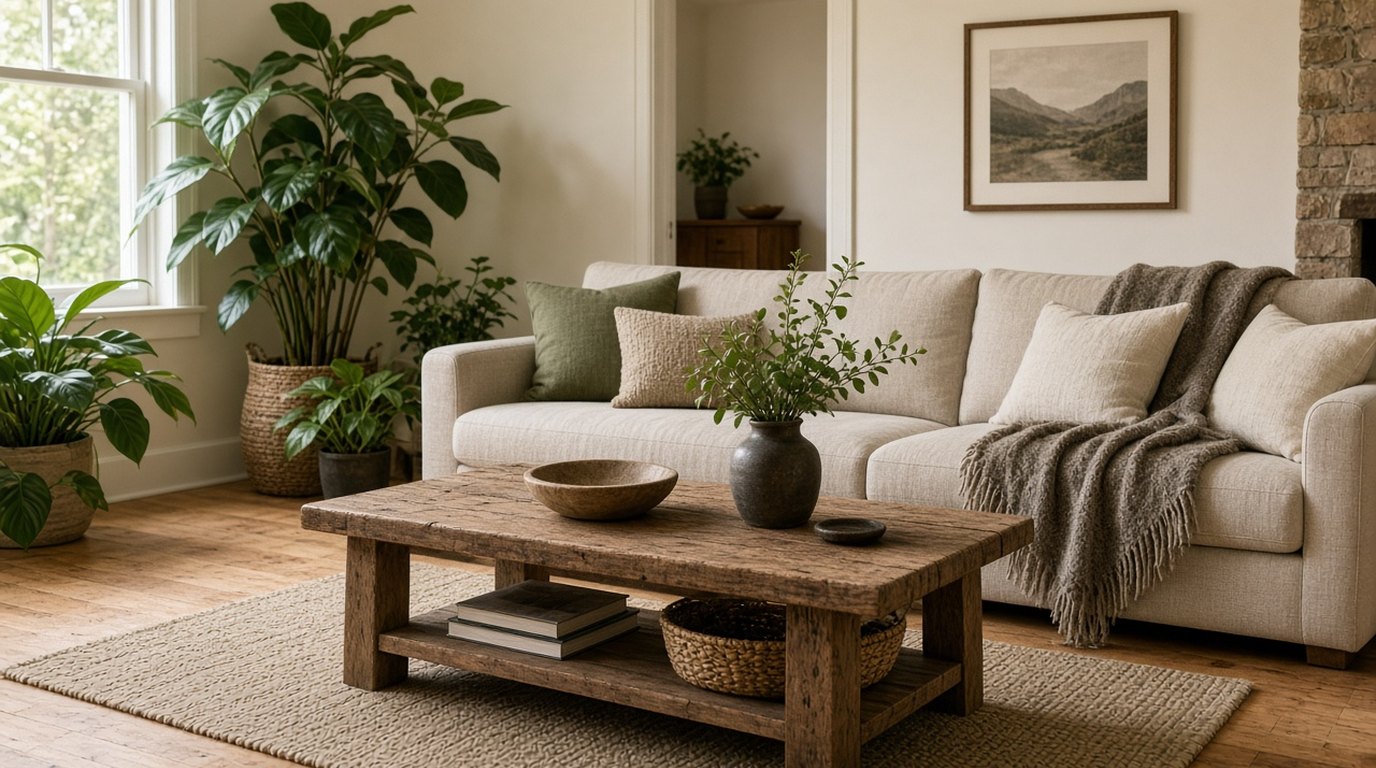
What Sustainable Design Actually Means
Sustainable interior design is not about buying everything from a specialty eco-store. It is about making deliberate choices that reduce environmental impact across three dimensions: materials, energy, and longevity. The building-material spec (insulation, siding, structure) is sustainable building materials for Canadian homes.
Materials
Choose Natural Over Synthetic
- Hardwood flooring over vinyl or laminate (hardwood lasts 100+ years and is refinishable; vinyl is plastic that ends up in landfill)
- Wool or cotton rugs over nylon or polyester (natural fibres biodegrade; synthetic shed microplastics)
- Solid wood furniture over particleboard (solid wood can be repaired, refinished, and lasts generations)
- Linen and cotton textiles over polyester (natural fibres are biodegradable and lower-impact in production)
For more on this topic, see our guide on Sustainable Flooring Options for Prairie Homes, A Practical Comparison.
Buy Secondhand
The most sustainable piece of furniture is one that already exists. Canada has a thriving secondhand market through Facebook Marketplace, Kijiji, estate sales, and consignment stores. Vintage and antique pieces are often better-made than new mass-produced furniture.
Canadian-Made and Local
Importing furniture from overseas generates significant carbon emissions from shipping. Canadian furniture makers (many based in Ontario, Quebec, and BC) produce high-quality pieces with shorter supply chains.
For more on this topic, see our guide on Curb Appeal for Canadian Homes: Exterior Design That Survives Winter.
Energy
Maximize Natural Light
Design choices that increase natural light reduce daytime electricity use. Light-coloured walls, mirrors, sheer curtains instead of heavy drapes, and strategic furniture placement all contribute.
LED Everything
Replace all lighting with LED bulbs. LEDs use 75% less energy than incandescent bulbs and last 25 times longer. The colour temperature of modern LEDs (2700K-3000K) is virtually indistinguishable from incandescent.
Window Treatments for Insulation
In Canadian winters, windows are the biggest source of heat loss. Cellular (honeycomb) blinds trap air in their cells, providing measurable insulation. Heavy lined curtains drawn at night reduce heat loss significantly.
Longevity
The most sustainable approach is buying quality pieces that last decades instead of cheap pieces that need replacing every few years. A $2,000 solid wood dining table that lasts 30 years is more sustainable than a $300 particleboard table replaced every 5 years.
Related Articles
- Basement Renovation Ideas for Canadian Homes
- Garage Conversion Ideas for Canadian Homeowners
- Best Flooring Options for Canadian Winters
- Kitchen Renovation Cost in Canada
- Home Office Renovation Ideas for Remote Workers
- Modern Canadian Farmhouse Design Ideas
- Best Paint Colors for Dark Rooms with Northern Light
- Curb Appeal Ideas That Work in Winter
- Winter-Proof Mudroom Design Ideas for Canadian Homes
- How to Mix Vintage and Modern Furniture Without It Looking L
- Smart Home Upgrades That Increase Property Value
- Open Concept Kitchen Design: Making It Work in Older Canadia
- Sustainable Building Materials for Canadian Homes
- How to Stage Your Home for Sale in Canada