Smart Home Upgrades That Increase Property Value
Which smart home upgrades actually add value to your Canadian home? A designer's guide to tech that pays off at resale.
Georgia Home Design
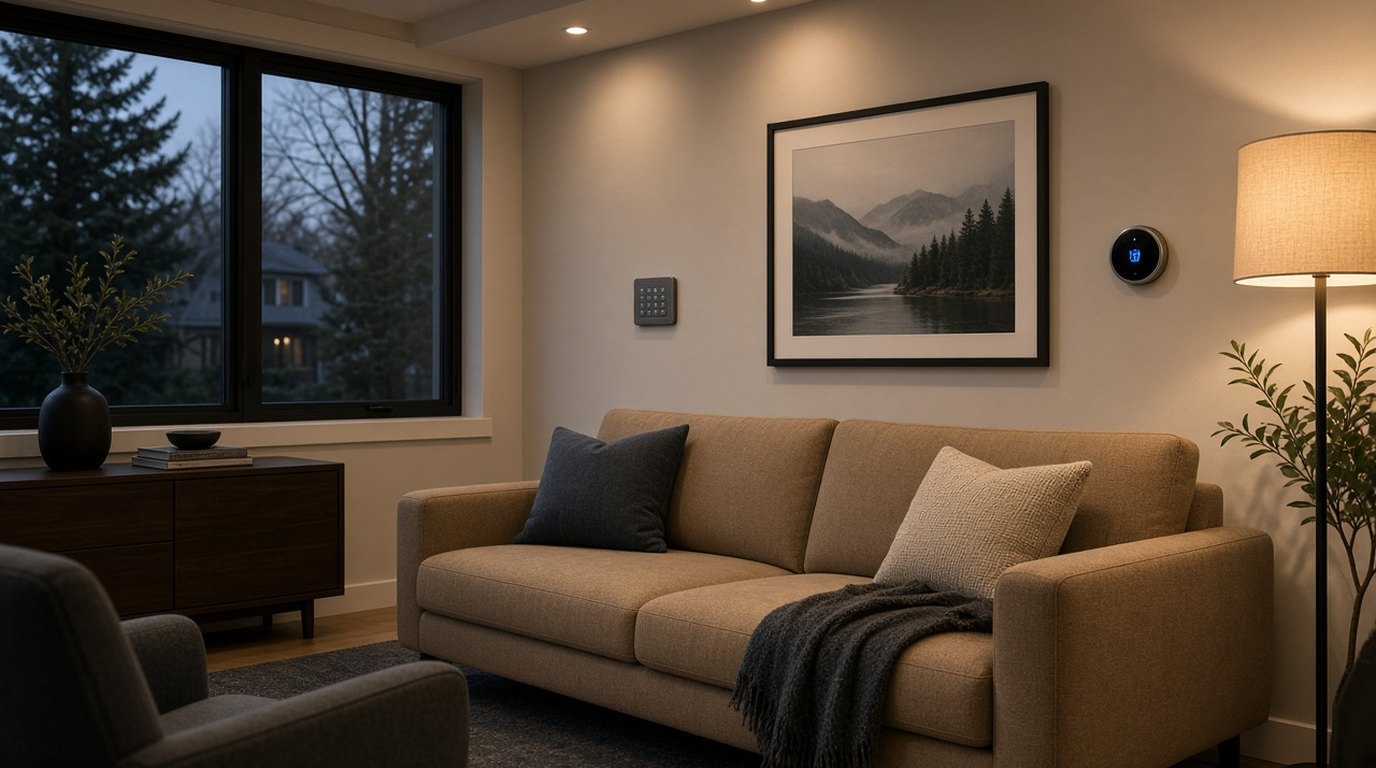
Smart home technology has moved past the novelty phase. Canadian buyers in 2026 expect certain tech features the same way they expect a dishwasher or central heating; they’re not impressed by them, but they’ll notice when they’re missing.
The trick is knowing which smart upgrades actually increase property value and which ones are expensive gadgets that buyers don’t care about. I’ve staged and consulted on hundreds of homes, and I’ve watched buyers’ eyes light up at a smart thermostat and glaze over at a motorized toilet seat. Not all tech is created equal.
Smart Upgrades That Add Real Value
Smart Thermostats
Estimated value add: $500-$1,500 at resale Cost to install: $250-$400
A smart thermostat is the single highest-ROI smart home upgrade. Products like the ecobee Smart Thermostat or Google Nest Learning Thermostat cost $250-$350 installed and save Canadian homeowners $100-$200 annually on heating costs.
In a country where heating accounts for 60%+ of home energy costs, a thermostat that learns your schedule, adjusts for weather, and lets you monitor usage from your phone is a genuine selling point. Buyers see it and think of lower utility bills.
For more on energy-saving upgrades, check out our guide on Energy-Efficient Home Upgrades for Manitoba.
Smart Lighting Systems
Estimated value add: $1,000-$3,000 Cost to install: $500-$2,000 (whole home)
Smart lighting goes beyond screwing in a colour-changing bulb. A properly integrated system includes:
- Dimmable LED fixtures on smart switches throughout the house
- Scene control (one button sets the whole living room to “evening” mode)
- Motion-activated lights in hallways, closets, and garages
- Exterior lights on timers or motion sensors for security
Smart switches ($30-$60 each) are a better investment than smart bulbs because they work with any standard bulb, don’t need a hub, and feel like a permanent upgrade rather than a removable gadget.
Good lighting design matters as much as the tech behind it. Our Lighting Design Guide covers the principles.
Smart Door Locks
Estimated value add: $300-$800 Cost to install: $200-$450
Keyless entry is especially appealing to Canadian buyers who fumble with keys in -30°C wearing thick gloves. A smart lock with a keypad, phone access, or fingerprint scanner costs $200-$400 and installs in under an hour.
What buyers value:
- Keypad entry (no more hiding a spare key under the mat)
- Temporary access codes for guests, cleaners, or contractors
- Auto-lock functionality
- Integration with other smart home systems
Smart Security Cameras and Doorbells
Estimated value add: $500-$1,500 Cost to install: $200-$600
Video doorbells and exterior security cameras are now expected in many Canadian markets. A video doorbell ($150-$350) lets homeowners see who’s at the door from anywhere. A basic exterior camera system (2-4 cameras, $200-$500) provides peace of mind and footage in case of incidents.
Canadian-specific tip: Choose cameras rated for extreme cold. Standard consumer cameras can fail at -25°C. Look for models rated to at least -30°C, which covers most Canadian winter conditions.
Smart Garage Door Openers
Estimated value add: $200-$500 Cost to install: $50-$150 (add-on to existing opener)
A smart garage door controller ($50-$100 for a retrofit device) lets you check whether the garage is open from your phone and close it remotely. For Canadian homeowners who use the garage as their primary entrance six months of the year, this is a practical upgrade.
Smart Smoke and CO Detectors
Estimated value add: $200-$400 Cost to install: $150-$500 (whole home)
Smart smoke and carbon monoxide detectors (like Nest Protect) send alerts to your phone, tell you which room has the issue, and distinguish between smoke and steam. In Canada, where homes are sealed tight for winter and CO risks from furnaces are real, this is both a safety and a value upgrade.
Smart Upgrades with Moderate Value
Smart Blinds and Shades
Cost: $200-$500 per window
Motorized blinds are convenient and can improve energy efficiency by automatically adjusting based on sunlight and temperature. They photograph well for listings and add a sense of luxury. The value add depends on how many windows are automated: a full-house system is impressive, but a single blind in the living room won’t move the needle.
Smart Irrigation Systems
Cost: $200-$500
For Canadian homeowners with significant landscaping, a smart irrigation controller saves water and keeps the lawn healthy during summer. It adjusts watering based on weather data and soil conditions. Useful in Alberta and southern Ontario where summer watering restrictions are common.
Whole-Home Wi-Fi Systems
Cost: $300-$800
Mesh Wi-Fi systems that provide consistent coverage throughout the house are increasingly expected, especially in larger homes. Hardwired access points in each room are the premium option. Buyers working from home consider reliable internet infrastructure a basic requirement.
Smart Upgrades That Don’t Add Value
Smart appliances: A refrigerator with a screen or a washing machine you can start from your phone costs 30-50% more than a standard model. Buyers don’t pay extra for these features at resale.
Whole-home audio (high-end): Built-in speaker systems from brands like Sonos are nice to have, but they add minimal resale value because buyers have their own audio preferences and equipment.
Smart toilets and bidet seats: Comfortable? Yes. Value-adding? Not in most Canadian markets. These are personal preference items that many buyers find unnecessary.
Proprietary home automation hubs: Systems that require specific apps, subscriptions, or professional programming are a liability, not an asset. Buyers worry about maintenance, compatibility, and obsolescence. Stick with open-ecosystem products (Google Home, Apple HomeKit, Amazon Alexa compatible).
How to Present Smart Home Features When Selling
Smart tech only adds value if buyers know it exists and understand it. When listing a smart home:
- Create a one-page “Smart Home Guide” listing every device, its function, and how to use it
- Label smart switches and devices clearly
- Demonstrate the system during showings (set a “welcome” scene that activates when buyers enter)
- Include the guide in listing photos and descriptions
For tips on staging your home for maximum buyer appeal, see our DIY Home Staging Guide.
The Smart Home Investment Strategy
If you’re upgrading for resale, here’s the priority order by ROI:
- Smart thermostat: $250-$400, highest ROI
- Smart lighting (switches, not bulbs): $500-$1,500
- Video doorbell: $150-$350
- Smart lock: $200-$400
- Exterior cameras: $200-$500
Total investment: $1,300-$3,150. Estimated value add at resale: $2,500-$7,000.
If you’re upgrading for your own enjoyment, add whatever makes your life easier. Just don’t expect every gadget to pay for itself at resale. Focus on technology that solves real problems: energy savings, security, convenience, rather than novelty features that impress no one but you.
Canadian-Specific Considerations
Extreme cold compatibility: Test any exterior smart device at your local winter temperatures. Door locks, cameras, and doorbells all have minimum operating temperatures. Budget models rated for California weather will fail in a Winnipeg January.
Power outages: Canadian winters bring ice storms and power outages. Smart home devices that require continuous power or internet should have backup plans, such as battery backups, cellular failover on security systems, and manual overrides on locks.
Energy monitoring: Canadian electricity rates vary dramatically by province. Smart energy monitors ($100-$300) that track real-time usage are especially valuable in Ontario and Alberta where time-of-use pricing makes consumption awareness worthwhile.
Want advice on which smart upgrades make sense for your home? Georgia Home Design offers virtual consultations; I’ll help you prioritize tech investments that improve your daily life and your home’s value. Book a consultation →