Open Concept Kitchen Design: Making It Work in Older Canadian Homes
Removing walls is just the beginning. Here is how to design an open kitchen that flows, functions, and feels intentional.
Georgia Home Design
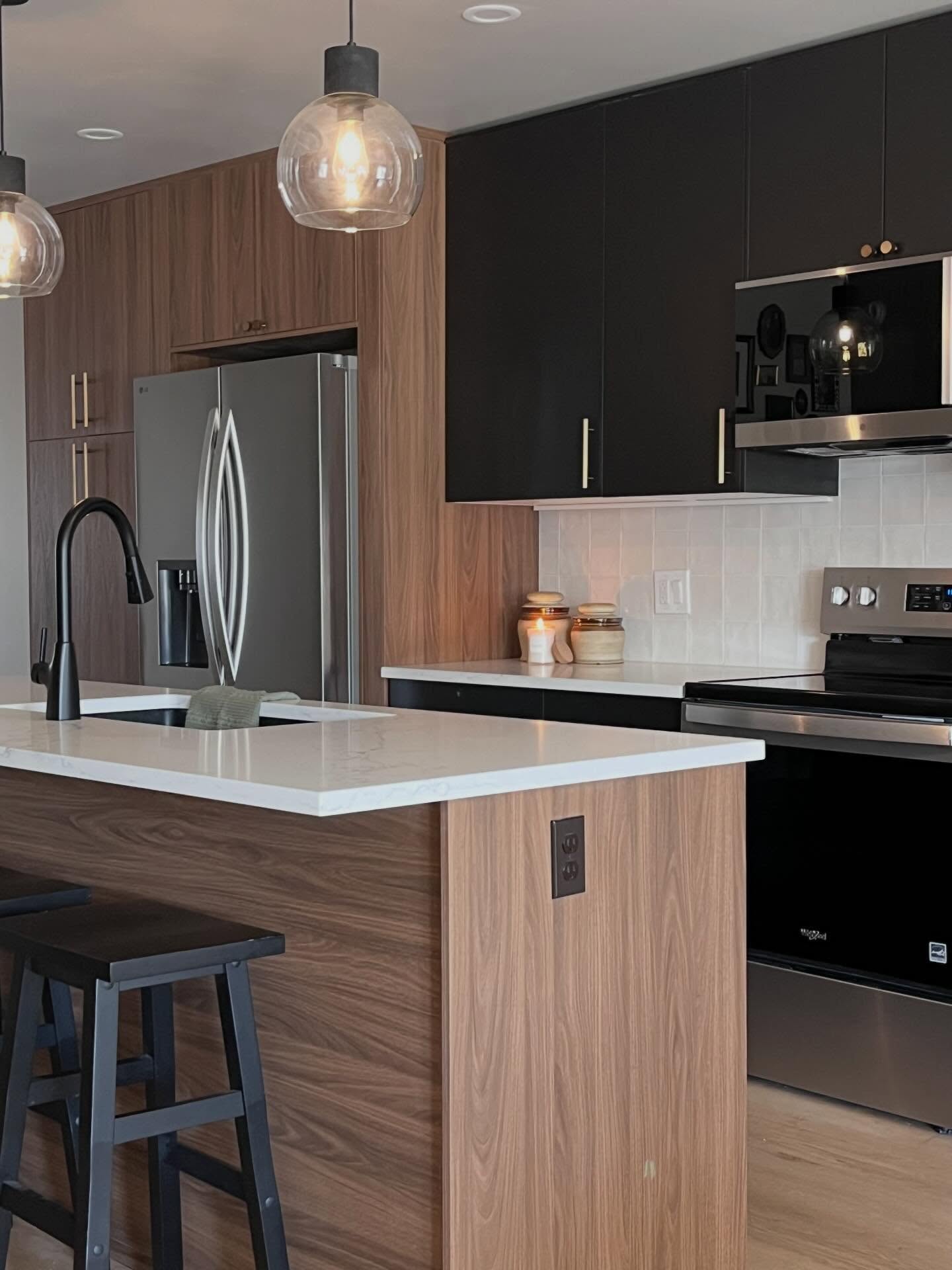
The Open Concept Reality Check
Open concept kitchens have dominated Canadian renovation shows for a decade. But tearing down a wall between the kitchen and living room does not automatically create a beautiful space. Without thoughtful design, open concept layouts can feel cavernous, echoey, and disjointed. Zoning the living side of the same opening is open concept kitchen and living room.
Structural Considerations First
Before any design discussion, hire a structural engineer. Many walls in Canadian homes (especially pre-1980 builds) are load-bearing. Removing a load-bearing wall without proper support (beam, posts, or header) is dangerous and illegal.
Budget reality: A structural beam to replace a load-bearing wall typically costs $3,000-$8,000 installed in Canada. Factor this into your renovation budget.
For more on this topic, see our guide on Bathroom Renovation Guide for Canadian Homeowners: Budget, Timeline, and Mistakes to Avoid.
Defining Zones Without Walls
The key to successful open concept design is creating distinct functional zones within the open space.
For more on this topic, see our guide on Open Concept Kitchen and Living Room, How to Make It Actually Work.
1. The Kitchen Island as Divider
A well-positioned island provides a visual and functional boundary between kitchen and living areas. It creates a workspace, casual seating, and storage while maintaining sight lines across the space.
2. Flooring Transitions
Using different flooring materials (tile in the kitchen, hardwood in the living area) subtly defines zones without walls. The transition should be clean and intentional.
3. Ceiling Treatment
A dropped soffit or different ceiling treatment above the kitchen area defines the zone from above. This also provides a practical location for pot lighting.
4. Lighting Zones
Separate lighting circuits for kitchen, dining, and living areas allow you to create distinct moods within the open space. Pendant lights over the island and dining table anchor those zones visually.
The Noise Problem
Open concept kitchens are loud. The dishwasher, range hood, and running water are now audible from the sofa. Solutions include quieter appliances (look for decibel ratings under 44 dB), upholstered furniture to absorb sound, area rugs, and curtains.
The Smell Problem
Cooking odours travel freely in open layouts. A powerful range hood vented to the exterior (not recirculating) is essential. Budget for at least 400 CFM for a standard range, 600+ CFM if you cook frequently with high heat.