Biophilic Design for Cold Climate Homes, Bringing Nature Inside When Winter Won't End
How to bring biophilic design principles into Canadian homes where winter lasts six months. Plants, natural materials, light strategies, and nature-inspired design that actually works in cold climates.
Georgia Home Design
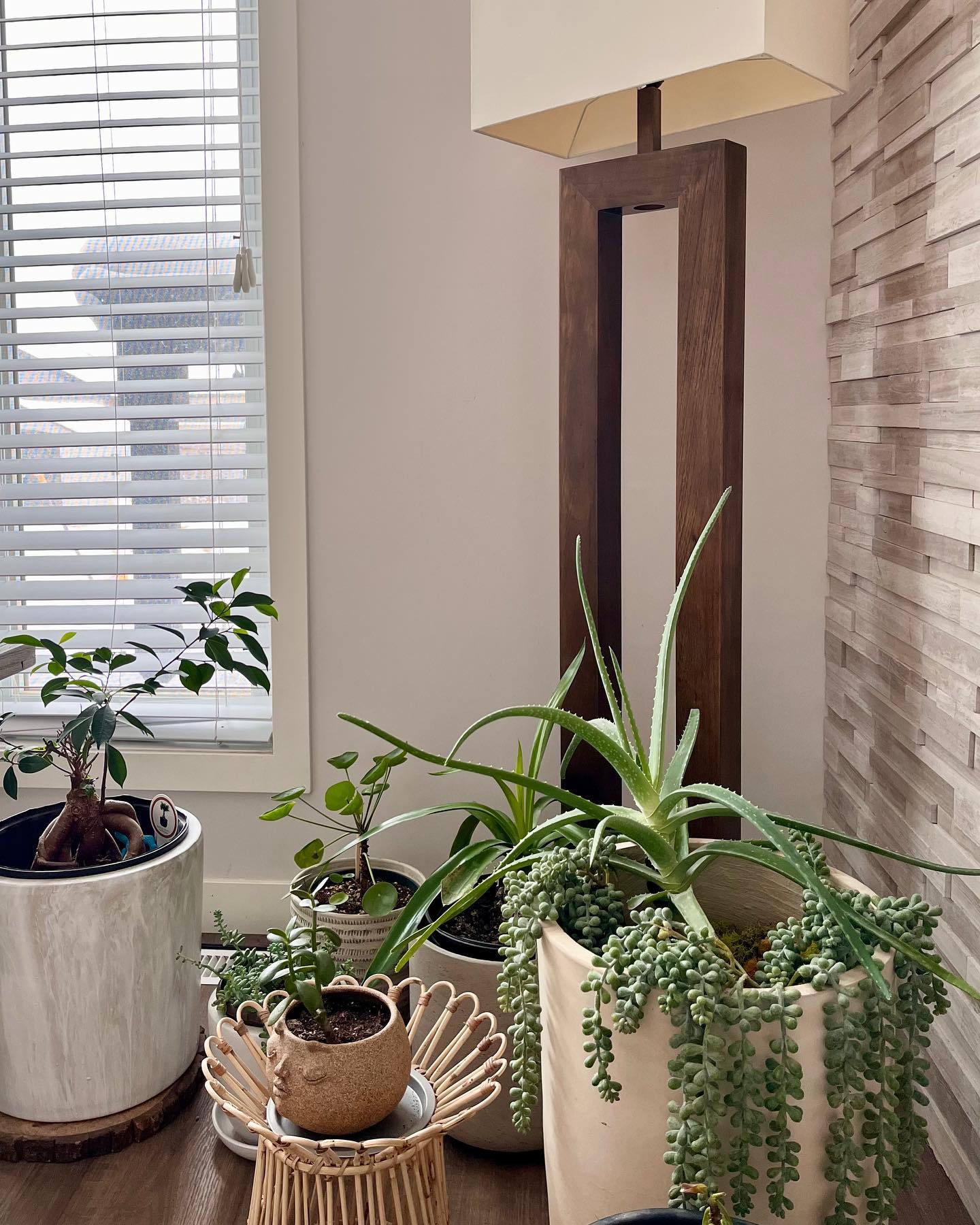
Biophilic design is the practice of incorporating natural elements into indoor spaces, plants, natural materials, daylight, water features, organic shapes, and views of nature. The research behind it is compelling: spaces designed with biophilic principles reduce stress, improve mood, increase productivity, and support overall well-being.
Most biophilic design content assumes you live somewhere temperate, with year-round greenery outside your window and the option to blur the boundary between indoors and out. That’s not our reality. In Winnipeg and across the Canadian prairies, winter means five to six months of frozen field, early darkness, and no practical connection to outdoor nature.
This makes biophilic design more important here, not less. When you can’t access nature outside, you need it inside. But you also need to adapt the approach to fit a cold climate, limited winter light, and homes that stay sealed against the elements for half the year.
The Three Pillars of Cold-Climate Biophilic Design
1. Direct Nature: Living Things in Your Home
The most obvious biophilic element is plants. Living greenery in your home provides visual connection to nature, improves air quality, and, according to multiple studies, measurably reduces stress and anxiety.
The challenge in cold climates: Low humidity, limited winter light, and fluctuating temperatures make many houseplants struggle. The key is choosing the right plants for your conditions, not fighting against them.
Plants that thrive in Manitoba homes:
Low-light tolerant (north-facing rooms, rooms far from windows):
- Pothos (Epipremnum aureum), nearly indestructible, trails beautifully from shelves
- Snake plant (Sansevieria), tolerates neglect, low light, and dry air
- ZZ plant (Zamioculcas zamiifolia), glossy, sculptural, thrives on neglect
- Cast iron plant (Aspidistra), lives up to its name
- Philodendron, multiple varieties, all forgiving
Medium-light (east or west-facing windows, bright rooms):
- Monstera deliciosa, the statement plant. Dramatic, architectural, relatively easy.
- Rubber plant (Ficus elastica), bold, glossy leaves. Tolerates dry air better than most ficus.
- Peace lily (Spathiphyllum), one of the few flowering houseplants that tolerates low to medium light.
- Dracaena, many varieties, most are tolerant of typical indoor conditions.
High-light (south-facing windows):
- Fiddle-leaf fig (Ficus lyrata), the design world’s favourite. Needs consistent bright light and hates drafts, so keep it away from exterior doors in winter.
- Bird of paradise (Strelitzia), dramatic, tropical, needs the brightest spot you have.
- Succulents and cacti, need direct sun. South-facing windowsills in winter are perfect.
Dealing with dry winter air: Manitoba homes in winter often drop below 30% relative humidity, too dry for most tropical plants. Solutions:
- Group plants together (they create their own microclimate)
- Use pebble trays with water under pots
- Run a humidifier in the room with the most plants (this benefits you as much as the plants)
- Mist plants occasionally but don’t rely on misting alone, it evaporates too quickly in dry air to make a real difference
Plant styling tips:
- Vary heights. A tall floor plant, a medium plant on a stand, and a small plant on a shelf creates a layered, natural-feeling arrangement.
- Use natural containers. Ceramic, terracotta, woven baskets, and wooden planters reinforce the biophilic aesthetic. Avoid shiny plastic pots.
- Group in odd numbers. Three plants together looks intentional. Two looks paired. One looks lonely.
- Place plants where you see them most. A beautiful plant in a room you rarely enter is wasted. Put your best greenery in the living room, home office, and kitchen, where you spend the most waking hours.
2. Natural Materials: The Textures and Tones of Nature
When live nature is limited, natural materials carry the biophilic connection. Wood, stone, leather, wool, cotton, linen, clay, and natural fibres all trigger our innate response to nature, even when processed into furniture and decor.
Wood is the anchor. Wood is the most versatile natural material in interior design and the backbone of biophilic homes. In cold climates, it has a particular advantage: wood feels warm. Both visually and physically, wood is warmer to the touch than metal, glass, or stone.
How to incorporate more wood:
- Furniture. Solid wood dining tables, coffee tables, nightstands, and shelving. Visible grain is key, painted wood loses the biophilic connection.
- Architectural elements. Wood ceiling beams (real or decorative), wood-panelled accent walls, wood window sills, and wood trim.
- Flooring. Hardwood or engineered hardwood in a natural finish. If you have existing wood floors, consider refinishing to reveal the natural grain rather than staining dark.
- Accessories. Wooden bowls, trays, cutting boards displayed in the kitchen, wooden frames, wooden shelf brackets.
Stone and mineral elements:
- Natural stone countertops (granite, marble, soapstone)
- Stone tile in bathrooms and entryways
- A stone or brick fireplace surround
- Decorative stone objects (marble bookends, agate coasters, crystal specimens)
- River stones in a bowl or arranged on a tray
Natural textiles:
- Wool throws, rugs, and blankets, warm, textured, inherently natural
- Linen curtains, napkins, and bedding, breathable, organic texture
- Cotton in its natural, unbleached tones, relaxed, earthy
- Jute and sisal rugs, bring raw, organic texture to floors
- Leather (natural or quality plant-based), develops character over time
3. Indirect Nature: Patterns, Shapes, and Representations
When you can’t bring actual nature inside, you can evoke it through design patterns, shapes, colours, and imagery.
Organic shapes over geometric:
- Furniture with curved edges rather than sharp angles
- Rounded mirrors, arched doorways, oval rugs
- Irregular, handmade ceramics rather than machine-perfect pieces
- Free-form sculptures and objects
Nature-inspired patterns:
- Botanical prints in artwork and textiles
- Leaf and floral patterns on cushions, wallpaper, or curtains
- Wood grain visible in furniture and flooring
- Stone veining in countertops and tile
Nature imagery:
- Large-format nature photography on walls (forests, water, mountains)
- Botanical illustration prints
- Field paintings
Water elements:
- A small tabletop fountain in a living room or bedroom
- An aquarium (fish tanks are a powerful biophilic element, movement, light, water, and living organisms)
- Images or artwork featuring water
Light as a Biophilic Element
Natural light is a fundamental biophilic need. In cold climates where winter light is limited, maximising and supplementing daylight is a core biophilic strategy.
Maximise natural light:
- Keep windows unobstructed during daylight hours
- Use light-coloured walls and ceilings to reflect available light
- Place mirrors to bounce natural light deeper into rooms
- Consider skylights or sun tunnels for interior rooms that lack windows
Supplement with nature-mimicking artificial light:
- Full-spectrum or “daylight” bulbs in work areas during the day (5000K to 6500K)
- Warm bulbs (2700K) in living areas during evening, mimicking firelight and sunset
- Smart lighting that shifts colour temperature throughout the day, following natural patterns
- Avoid harsh fluorescent or flat LED lighting, it’s anti-biophilic
Circadian lighting: The most advanced biophilic lighting approach programs your home’s lighting to follow the natural arc of daylight, brighter and cooler in the morning, warming and dimming through the afternoon and evening. Smart bulbs and smart switches make this affordable and automatic. In a climate where winter daylight is limited, circadian lighting helps maintain your body’s natural rhythm.
Views and Visual Connection
Biophilic design emphasises visual connection to nature. In winter, the view outside may be a snow-covered yard, which is still nature, and can be beautiful. The issue is that many homeowners block winter views with heavy curtains, closed blinds, or frosted windows.
Reframe the winter view:
- A snow-covered garden is a biophilic view. Don’t close it off.
- Install a bird feeder visible from your most-used room. Watching birds is one of the most studied biophilic interventions, consistently shown to improve mood and reduce anxiety.
- Field for winter interest: ornamental grasses that hold their form in snow, red-twig dogwood, birch trees with white bark. These create a view worth looking at even in January.
- Ensure windows are clean and unobstructed. The view is the most affordable nature you have.
When the view is uninspiring:
- Create an indoor “view” with a large nature photograph or painting on the wall where a window would ideally be
- A living green wall (vertical garden) provides a lush, living “view” that doesn’t depend on the season
- Position plants near windows to create a framed view of greenery against the outdoor field
Room-by-Room Biophilic Design
Living Room
- Large floor plant in a bright corner (monstera, bird of paradise, or fiddle-leaf fig)
- Natural wood coffee table with visible grain
- Wool or jute area rug
- Cushions in earth tones with organic textures
- Nature artwork or large botanical print as a focal point
- Warm, layered lighting with candles
Kitchen
- Fresh herbs on the windowsill (they serve double duty as biophilic elements and cooking ingredients)
- Natural wood cutting boards displayed upright
- Stone or butcher block countertops
- Open shelving with ceramic and wooden bowls
- A small plant on a shelf or hanging from the ceiling
Bedroom
- Linen bedding in natural, undyed tones
- A medium-sized plant on the nightstand or dresser (snake plant and pothos are good bedroom choices, they release oxygen at night)
- Natural wood nightstands or bed frame
- Nature sounds (a white noise machine with nature sounds, or an open window in summer)
- Blackout curtains for sleep, sheer curtains for daytime, layer both
Home Office
- Plants on the desk and nearby shelves (multiple studies show plants in workspaces improve focus and reduce stress)
- A desk near a window for natural light and views
- Natural wood desk or at least natural wood accessories (a wooden monitor stand, pencil holder, or desk organiser)
- A nature photograph or living wall in your direct sightline
Bathroom
- A humidity-loving plant (fern, pothos, air plant) on the vanity or shelf
- Natural stone tile or accents
- Wooden bath accessories (a teak bath mat, a bamboo toothbrush holder)
- Natural light from a window or skylight, bathrooms benefit enormously from daylight
The Investment Perspective
Biophilic design doesn’t require a renovation budget. You can start today:
Free or under $50:
- Rearrange furniture to face windows and natural light
- Move existing plants to more prominent locations
- Open curtains and blinds during the day
- Add natural objects from outdoors (pinecones, branches, stones)
- Display fresh-cut greenery from your yard (even bare winter branches are beautiful in a vase)
Under $200:
- Add 3 to 5 houseplants in natural containers
- Introduce a wool throw and natural-fibre cushions
- Hang a large nature photograph or botanical print
- Add a bird feeder outside your kitchen or living room window
Under $1,000:
- A natural wood coffee table or side table
- A jute or wool area rug
- A collection of ceramic and wooden planters
- Quality linen curtains
- A tabletop water feature
$1,000+:
- Natural wood built-in shelving
- Wood-panelled accent wall
- Natural stone bathroom renovation
- A living green wall system
- Quality solid-wood furniture pieces
The research is clear: time spent in nature-rich environments improves mental health, reduces blood pressure, improves sleep, and increases overall well-being. In a climate where outdoor time is limited for half the year, bringing nature inside isn’t decorating, it’s self-care with a design budget.
Want to bring more nature into your home? Georgia Home Design offers virtual consultations, I’ll help you create a biophilic design plan that works in our Canadian climate. Book a consultation →