Virtual Staging vs Traditional Staging, Which Is Right for Your Home?
A side-by-side comparison of virtual and traditional home staging. See the pros, cons, costs, and ideal use cases for each approach to make the right choice for your property.
Georgia Home Design
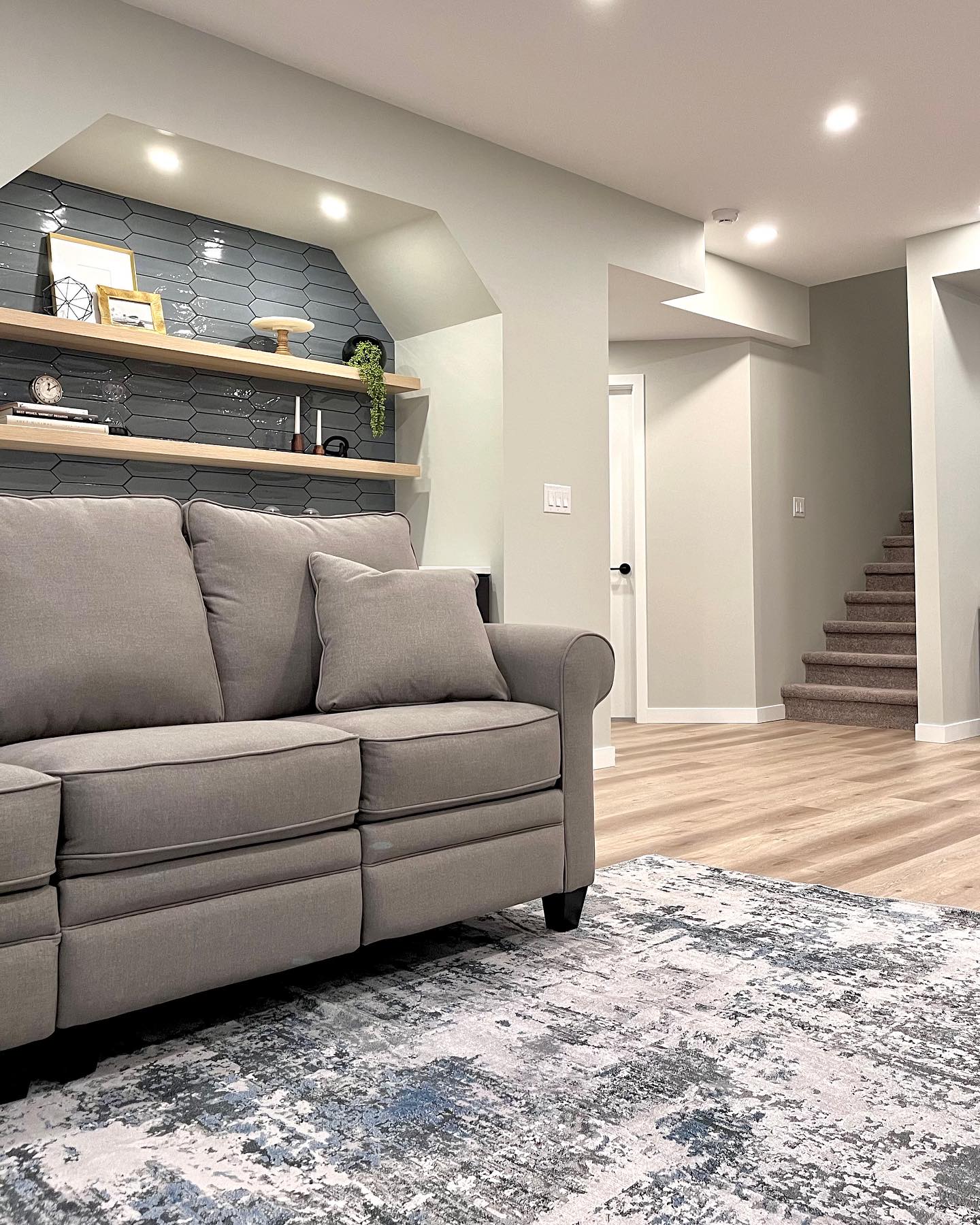
You’ve decided to stage your home before selling. Smart move. But now comes the next question: should you go with traditional staging (physical furniture and decor) or virtual staging (digitally rendered furnishings in your listing photos)?
Both approaches work. Both have trade-offs. This guide breaks down everything you need to know to make the right choice for your property.
For more on this topic, see our guide on Curb Appeal in Winter, How to Make Your Home Look Great Under Snow.
What Is Traditional Staging?
For more on this topic, see our guide on The Complete Winnipeg Home Staging Guide, Sell Faster.
Traditional staging is the original approach: a professional stager physically transforms your home using real furniture, artwork, accessories, and decor. They might use your existing furnishings, bring in rented pieces, or combine both.
The experience: A buyer walks into an open house and sees a beautifully furnished, move-in-ready home. They can sit on the sofa, feel the textures, smell the fresh flowers. It’s a full sensory experience.
What Is Virtual Staging?
Virtual staging uses digital design software to add photorealistic furniture and decor to photographs of empty or unfurnished rooms. A designer takes your vacant room photos and digitally furnishes them with 3D-rendered furniture, artwork, rugs, and accessories.
The experience: Buyers see beautifully furnished rooms in your online listing photos. When they visit in person, the rooms are empty (or have your existing furniture).
Side-by-Side Comparison
| Factor | Traditional Staging | Virtual Staging |
|---|---|---|
| Cost | $1,500 to $6,000+ | $25 to $100 per image |
| Timeline | 1 to 2 weeks setup | 24 to 48 hours |
| In-person impact | ✅ Full sensory experience | ❌ Empty rooms |
| Online listing impact | ✅ Real photos | ✅ Photorealistic renders |
| Furniture rental | Monthly fees apply | No physical inventory |
| Flexibility | Limited by inventory | Unlimited style options |
| Buyer trust | High | Requires disclosure |
| Best for | Occupied homes, luxury properties | Vacant homes, budget-conscious sellers |
When Traditional Staging Wins
1. Occupied Homes
If you’re living in the home while selling, traditional staging works with your existing furniture. A stager rearranges, edits, and supplements what you already have, creating a show-ready space without renting an entirely new inventory.
2. Luxury Properties
High-end buyers expect the full experience. A $1M+ home with virtual staging next to a competitor with physical staging will lose the emotional battle every time.
3. Challenging Layouts
Some rooms have unusual shapes, low ceilings, or awkward proportions. A skilled stager can work with the physical space, using lighting, mirrors, and furniture placement, to solve problems that virtual staging can’t address.
4. Competitive Markets
In hot markets where multiple offers are common, the in-person experience of a staged home creates the emotional connection that drives buyers to bid higher.
When Virtual Staging Wins
1. Vacant Properties
Empty rooms photograph terribly. They look smaller, colder, and harder to envision as a home. Virtual staging solves this completely, giving buyers a visual framework to understand the space, at a fraction of the cost of filling rooms with rental furniture.
2. Budget Constraints
At $25 to $100 per image vs. $2,000 to $6,000 for full traditional staging, virtual staging makes staging accessible for every price point.
3. Multiple Style Options
With virtual staging, you can create different style schemes for the same room, modern for younger buyers, classic for traditional tastes, and A/B test which version gets more engagement. Try that with physical furniture.
4. Speed
Need listing photos by tomorrow? Virtual staging can be done in 24 to 48 hours. Traditional staging needs scheduling, delivery, setup, and styling.
5. Out-of-Town Sellers
If you’re selling a property remotely, coordinating physical staging adds complexity. Virtual staging needs only photographs of the empty rooms.
The Ethical Question
Virtual staging raises an important concern: does it mislead buyers?
The answer depends on disclosure. Industry best practices require:
- Clearly labelling virtual staging in the listing (“Virtually staged” watermark or caption)
- Including photos of the actual empty rooms alongside virtual versions
- Never adding structural changes (removing walls, adding windows, changing flooring)
- Using it to show potential, not to conceal problems
When done ethically, virtual staging helps buyers visualise potential. When done deceptively, it erodes trust and can derail deals.
The Hybrid Approach (Our Recommendation)
For most sellers, the optimal strategy combines both methods:
-
Virtual staging for online listings, Create beautiful, photorealistic images that stand out on MLS, Zillow, and Realtor.ca. This maximises your online presence at minimal cost.
-
Light physical staging for in-person showings, You don’t need a fully furnished house. Clean, declutter, add fresh flowers, crisp towels in the bathroom, a bowl of fruit in the kitchen. Create a welcoming atmosphere without the full staging investment.
-
Full traditional staging for key rooms, If budget allows, physically stage the living room and primary bedroom. These are the rooms buyers remember, and the in-person impact is worth the investment.
This hybrid approach gives you the best of both worlds: striking online marketing and a positive in-person experience.
Cost Comparison: A Real Example
Scenario: 3-bedroom, 1,500 sq ft home, staged for 60 days
| Approach | Cost | What You Get |
|---|---|---|
| Virtual only (6 images) | $300 to $600 | Beautiful online photos, empty in-person |
| Hybrid (virtual + light physical) | $600 to $1,200 | Great online photos + pleasant in-person vibe |
| Partial traditional (3 rooms) | $1,200 to $2,500 | Strong online + strong in-person for key rooms |
| Full traditional | $3,000 to $6,000 | Maximum impact everywhere |
Making the Decision
Ask yourself these questions:
- Is the home vacant or occupied? → Vacant homes benefit most from virtual staging
- What’s my budget for selling costs? → Under $500? Virtual. Over $2,000? Consider traditional
- How competitive is my market? → More competition = stronger case for physical staging
- What’s the home’s price point? → Higher-value homes justify higher staging investment
- How long do I expect to be on the market? → Longer timelines make traditional staging’s monthly rental costs add up
The Bottom Line
There’s no universally “better” option. Virtual staging is not a budget substitute for traditional staging, it’s a different tool that solves different problems. The best approach depends on your property, your market, and your goals.
What virtually every expert agrees on: some form of staging beats no staging at all. Whether you invest $300 in virtual staging or $3,000 in traditional staging, you’re putting your home’s best foot forward.
Not sure which approach is right for your home? Georgia Home Design offers both traditional staging in Winnipeg and virtual staging consultations worldwide. Let’s figure it out together →