Energy Efficient Home Upgrades in Manitoba, What Saves the Most Money
A practical guide to energy efficiency upgrades for Manitoba homeowners. Which improvements actually pay for themselves, what rebates are available, and how to prioritise your budget.
Georgia Home Design
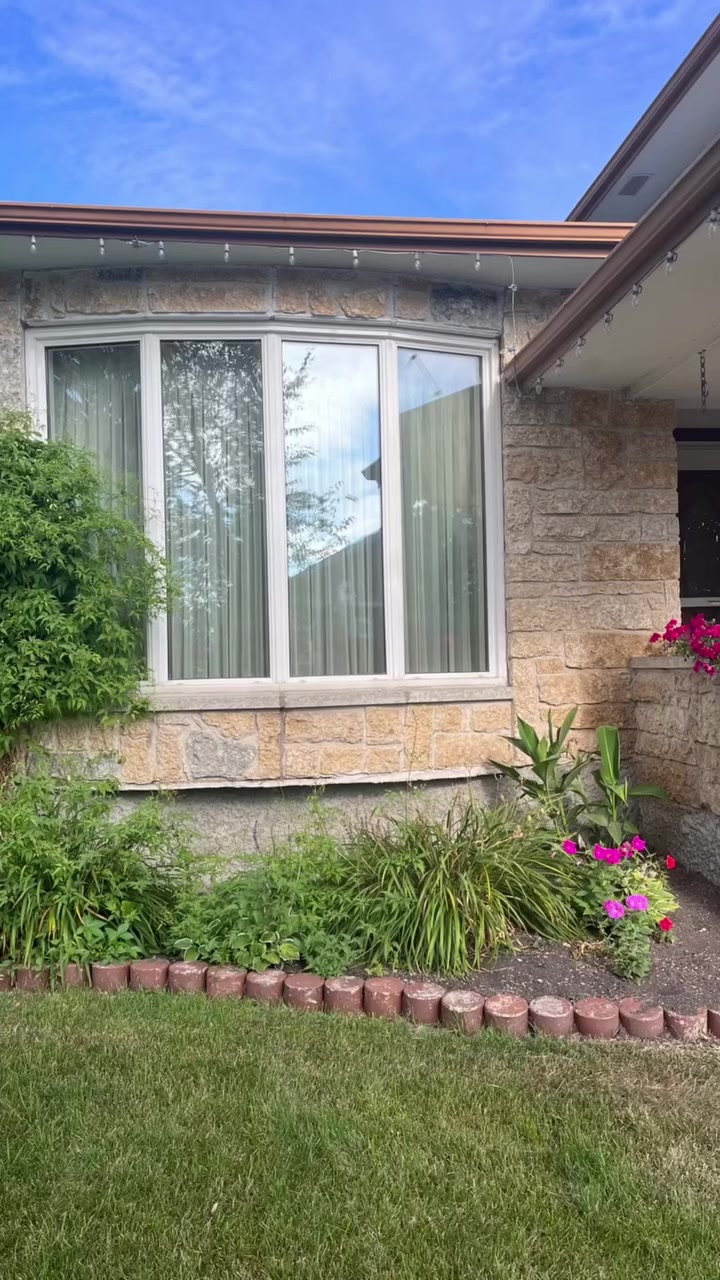
Heating a home through a Manitoba winter is expensive. When the temperature sits at -30°C for weeks at a time, your furnace runs constantly, your gas bill climbs, and every gap in insulation, every drafty window, and every poorly sealed door is costing you real money.
The good news: Manitoba has some of the best energy efficiency rebate programs in Canada, and the upgrades that save the most energy also make your home more comfortable and more valuable. The challenge is knowing where to start and what actually pays off.
I’m an interior designer, not an energy auditor, but I work on homes every day where energy efficiency and design intersect. New windows change a room’s light quality. Better insulation transforms a cold basement into livable space. A well-sealed home holds temperature so consistently that it feels physically different to be inside. These upgrades aren’t just about utility bills, they change how your home lives. Product language for the window SKU itself is energy efficient windows Canada. The post-winter list of envelope, window, and entry mistakes people wish they had not made is home renovation regrets in cold Canadian climates.
Start With an Energy Audit
Before spending a dollar on upgrades, get a professional energy audit. In Manitoba, this is done through the Efficiency Manitoba Home Energy Evaluation program.
What happens during an audit:
- A certified energy advisor visits your home (2 to 3 hours)
- They inspect insulation levels, air leakage, windows, doors, heating system, and ventilation
- A blower door test measures actual air leakage
- You receive a detailed report ranking your home’s efficiency and recommending specific upgrades in order of impact
- You get an EnerGuide rating (a score that indicates your home’s energy performance)
Cost: Approximately $300 to $400 for the audit, but rebates from Efficiency Manitoba often offset part or all of this cost when you complete recommended upgrades.
Why start here: The audit tells you exactly where your home is losing energy. Without it, you’re guessing, and homeowners consistently guess wrong. Most people assume windows are the biggest problem when it’s often air leakage and insulation that matter more.
The Upgrades, Ranked by Impact
1. Air Sealing, The Highest ROI Upgrade
Air leakage is responsible for 25 to 40% of heating energy loss in a typical Manitoba home. Warm air escaping through gaps, cracks, and holes forces your furnace to work harder and longer.
Where air leaks hide:
- Around electrical outlets and switches on exterior walls
- At the top of basement walls (the rim joist area)
- Around plumbing and electrical penetrations
- At attic hatches and pull-down stair openings
- Around windows and door frames
- At recessed light fixtures in the ceiling below the attic
- Through unsealed gaps where walls meet floors and ceilings
The fix:
- Caulking and weatherstripping for gaps under 1/4 inch
- Spray foam for larger gaps and penetrations
- Rigid foam or insulated covers for attic hatches
- Gaskets behind outlet covers on exterior walls
Cost: $500 to $3,000 for a thorough air sealing job. Annual savings: $200 to $600 depending on how leaky your home is. Payback period: 1 to 5 years.
Efficiency Manitoba rebate: Air sealing is covered under the insulation rebate program. Rebates reduce the out-of-pocket cost significantly.
2. Attic Insulation, The Most Common Deficiency
Heat rises, and in winter, your attic is where most of it goes. Many Manitoba homes, especially those built before the 1990s, have inadequate attic insulation. Current code requires R-60 in the attic. Many older homes have R-20 to R-30.
Adding insulation is straightforward:
- Blown-in cellulose or fibreglass is the standard method for attic top-ups
- The existing insulation typically stays in place; new insulation is blown over top
- A contractor can insulate a typical attic in half a day
Cost: $1,500 to $4,000 for a typical Winnipeg home. Annual savings: $300 to $800 depending on starting insulation level. Payback period: 2 to 5 years.
Efficiency Manitoba rebate: Significant rebates available for attic insulation. Check current program terms, as rebate amounts are updated annually.
3. Basement and Rim Joist Insulation
The basement is the second-largest source of heat loss in most Manitoba homes. Uninsulated basement walls radiate cold into the living space above, and the rim joist (where the floor system meets the foundation wall) is one of the most common air leakage points.
Basement wall insulation:
- Rigid foam board (2” XPS or EPS) against the foundation wall, then framed wall with batts
- Spray foam directly on the foundation wall (more expensive but superior air sealing and moisture control)
- Target R-20 minimum for basement walls
Rim joist insulation:
- Spray foam in each rim joist cavity is the gold standard
- Rigid foam cut to fit with canned spray foam around edges is a DIY-friendly alternative
Cost: Basement walls: $3,000 to $8,000. Rim joist: $500 to $2,000. Annual savings: $200 to $500. Payback period: 3 to 7 years.
If you’re planning a basement renovation, insulation should be the first item in your budget, not an afterthought.
4. Windows, High Impact, High Cost
Windows are the most visible upgrade and the most expensive per unit of energy saved. For product language (triple-pane, Low-E, ENERGY STAR zones), use the energy efficient windows Canada buying guide. Replacing windows is worthwhile when:
- Your existing windows are single-pane or failed double-pane (fog between the glass)
- Frames are rotten, warped, or poorly sealed
- You can feel cold radiating from the glass even when the window is closed
What to look for in Manitoba:
- Triple-pane glass, the standard recommendation for our climate. Significantly better than double-pane for thermal performance.
- Low-E coatings, reflect heat back into the room in winter and block solar heat gain in summer.
- Argon or krypton gas fill between panes for additional insulation.
- Energy Star certified for Zone 3 (Manitoba’s climate zone).
- Quality installation, the best window performs poorly if installed with gaps and poor sealing.
Cost: $800 to $1,500 per window installed for quality triple-pane. Annual savings: $100 to $400 for a full-home window replacement. Payback period: 10 to 20 years (windows are a long-term investment, not a quick payback).
Efficiency Manitoba rebate: Rebates available for Energy Star windows. Combined with federal programs, the savings can be substantial.
Design note: New windows transform a room’s quality beyond energy savings. The improved clarity, reduced condensation, and warmer glass surface change how a room feels. Many clients tell me this is the upgrade that made the biggest difference in their daily comfort, even though insulation saves more money.
5. Heating System Upgrade
If your furnace is more than 15 to 20 years old, it’s likely operating at 80% efficiency or less. Modern high-efficiency furnaces operate at 96 to 98% efficiency, meaning nearly all the gas you pay for becomes heat.
Options:
- High-efficiency gas furnace (96%+ AFUE): The standard replacement in Manitoba. Cost: $4,000 to $7,000 installed.
- Heat pump (air-source): Gaining popularity in Manitoba despite the cold. Modern cold-climate heat pumps operate efficiently down to -25°C or lower, with backup heating for extreme cold snaps. Cost: $8,000 to $15,000 installed. Significant rebates available.
- Geothermal heat pump: The most efficient system available (300 to 500% efficiency). High upfront cost ($25,000 to $40,000+) but very low operating costs. Best suited for new construction or major renovations.
Annual savings: $300 to $1,000+ depending on current system and replacement choice.
Smart thermostats: A $200 to $300 smart thermostat (Ecobee, Nest) reduces heating costs by 10 to 15% through scheduling, occupancy sensing, and remote control. This is the easiest upgrade in the entire list.
6. Exterior Wall Insulation
This is the big one. Many Manitoba homes built before the 1980s have poorly insulated exterior walls (R-8 to R-12 when code now calls for R-24). Unfortunately, improving wall insulation is the most disruptive and expensive efficiency upgrade.
Options:
- Blown-in dense-pack insulation into existing wall cavities. Requires drilling holes in the exterior or interior wall surface. Cost: $3,000 to $6,000 for a typical home. Minimally disruptive.
- Exterior insulation retrofit, adding rigid foam insulation to the outside of the house, then re-cladding. Cost: $15,000 to $40,000+. Major project, but dramatically improves thermal performance and eliminates thermal bridging. Often combined with siding replacement.
- Interior insulation, adding insulation to the inside of exterior walls. Loses interior floor space and requires removing and replacing drywall. Cost: $10,000 to $25,000.
When it makes sense: If you’re re-siding your home anyway, exterior insulation is the most cost-effective time to do it. If your walls are cold to the touch in winter, wall insulation will make a dramatic comfort difference.
Manitoba Rebate Programs
Manitoba has one of the most generous efficiency rebate fields in Canada. Key programs:
Efficiency Manitoba:
- Home insulation rebates (attic, walls, basement)
- Window and door replacement rebates
- Heating system rebates
- Air sealing rebates
- Free energy-saving kits
- New home construction incentives
Federal programs:
- Canada Greener Homes Grant (check current availability, programs are updated periodically)
- Interest-free loans for major energy retrofits
Manitoba Hydro:
- Financing programs for efficiency upgrades
- Seasonal promotions and rebates on water heaters, insulation, and more
Important: Most rebate programs require the energy audit as a first step, and many require using approved contractors. Complete the audit before starting any work to ensure you qualify for all available incentives.
The Priority Order for Most Manitoba Homes
If you’re starting from scratch on an older Manitoba home, here’s the sequence that maximises comfort and savings:
- Energy audit (get the data)
- Air sealing (highest ROI, lowest cost)
- Attic insulation (high ROI, moderate cost)
- Basement/rim joist insulation (especially if planning a basement renovation)
- Smart thermostat (easy, fast payback)
- Windows (when current windows are failing)
- Heating system (when current system is aging out)
- Wall insulation (when re-siding or doing major renovation)
The Design Connection
Energy efficiency and interior design are more connected than most people realise. Every upgrade on this list changes how your home looks and feels:
- New windows let in more light with less condensation, improving every room they touch
- Better insulation eliminates cold spots and drafts, making furniture placement more flexible
- Air sealing creates a quieter interior by reducing outside noise infiltration
- A comfortable, consistent indoor temperature allows you to design freely, no more arranging furniture away from cold walls or avoiding rooms that are too cold in winter
When I work with clients on renovations, I always recommend coordinating efficiency upgrades with design work. Insulate the basement before finishing it. Replace windows before designing the window treatments. Seal the exterior before investing in a colour palette that requires clean, consistent surfaces.
The most beautiful home in the world isn’t enjoyable if it’s drafty, cold, and expensive to heat. Efficiency is the invisible foundation that makes everything else work.
Renovating your home and want to combine efficiency upgrades with great design? Georgia Home Design offers virtual consultations, I’ll help you plan a renovation that’s both beautiful and energy-smart. Book a consultation →